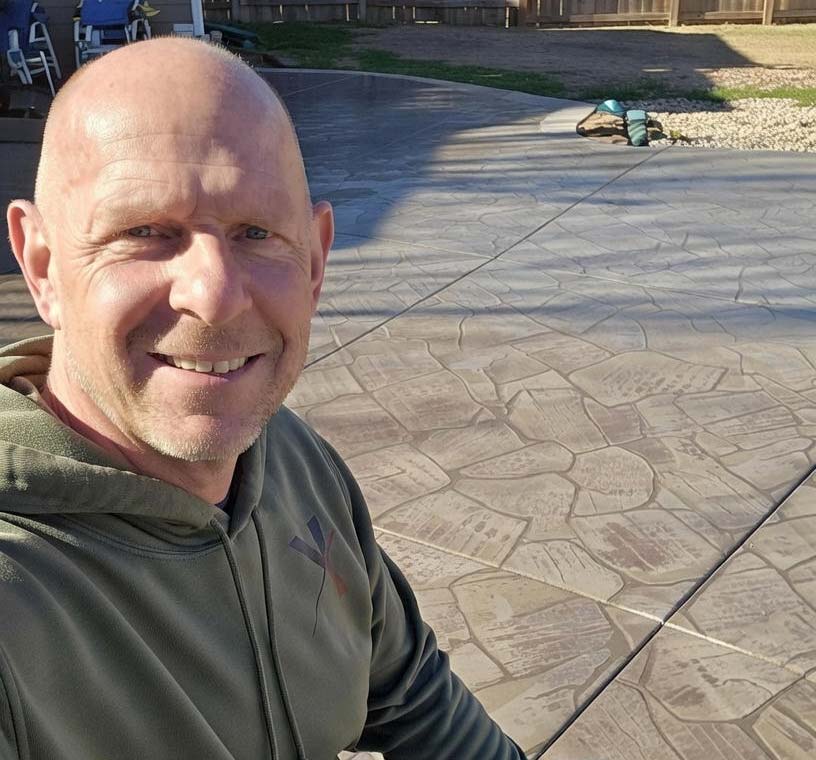

Concrete installations such as driveways, patios, sidewalks, and slabs require technical preparation and experienced workmanship. A contractor manages grading, base preparation, drainage, concrete mix selection, and finishing methods to produce a durable surface.
Homeowners in Charlotte, surrounding communities, and Upstate South Carolina often compare several contractors before choosing one. Asking clear questions during the evaluation process gives insight into the contractor’s experience, materials, and work practices.
According to the National Ready Mixed Concrete Association, properly installed concrete pavements can last 30 years or more with appropriate design and maintenance.
Source: https://www.nrmca.org
This guide explains seven important questions to ask before hiring a concrete contractor so homeowners can move forward with confidence.
Why Hiring the Right Concrete Contractor Matters
Concrete performs best when installed on a properly prepared base with the correct mix design and curing process. Poor preparation or weak materials can lead to issues such as:
- Cracking
- Surface scaling or spalling
- Settling or uneven slabs
- Drainage problems
- Shortened lifespan
A qualified contractor explains the process and answers technical questions clearly. The following seven questions help homeowners evaluate whether a contractor follows professional standards.
1. How Much Experience Do You Have With Concrete Projects?
Experience reflects knowledge of soil conditions, weather factors, and material performance. Contractors who have spent many years working with concrete understand how preparation and finishing affect durability.
Ask about:
- Years in the concrete industry
- Types of projects completed
- Project sizes handled
- Local experience in your area
Concrete behaves differently depending on soil composition, drainage, and seasonal temperatures. Contractors with long-term experience in the Charlotte region and Upstate South Carolina understand how to adjust their approach to local conditions.
A contractor with extensive experience also manages scheduling, crew coordination, and ready-mix delivery efficiently.
2. Are You Licensed and Properly Insured?
Licensing and insurance protect both the homeowner and the contractor. Always verify that a contractor holds valid licensing for the states where they perform work.
A professional concrete contractor should carry:
- General Liability Insurance
- Workers’ Compensation Insurance
- Umbrella Liability Coverage
These policies protect homeowners from financial exposure if accidents occur during the project. Request proof of insurance before signing any contract.
Licensing also confirms the contractor meets state requirements for professional construction work.
3. What Type of Preparation Do You Complete Before Pouring Concrete?
Preparation forms the foundation of a long-lasting concrete installation. Many surface failures originate from poor base preparation.
A professional contractor typically completes the following steps:
- Site grading to create proper slope and elevation
- Installation of a compacted base between 2 and 4 inches thick
- Leveling and compaction to stabilize the ground
- Formwork installation to define edges and dimensions
The compacted base plays a major role in preventing settling and cracking. Without proper compaction, the soil beneath the slab can shift over time.
Homeowners should ask contractors to explain their base preparation process in detail.
4. Where Do You Source Your Concrete?
The quality of concrete begins at the ready-mix supplier. Reliable contractors work with reputable suppliers that maintain consistent mix designs and quality control.
Ask contractors:
- Which ready-mix company they use
- What strength rating they specify
- Whether additives or reinforcement are included
Concrete strength is measured in PSI (pounds per square inch). Different applications require different PSI levels.
Common Concrete Strength Levels
| Application | Typical PSI Strength | Purpose |
| Patios | 3000 PSI | Residential outdoor living spaces |
| Sidewalks | 3000 PSI | Light foot traffic |
| Driveways | 4000+ PSI | Vehicle traffic |
| Commercial slabs | 4000+ PSI | Heavy loads |
Higher PSI ratings increase durability in areas that support vehicle weight.
5. How Do You Prevent Cracking and Surface Damage?
Concrete naturally develops small hairline cracks as it cures. Contractors use several methods to control cracking and extend slab life.
Professional installations often include:
- Compacted base layers to stabilize soil
- Fiber mesh reinforcement inside the concrete mix
- Control joints cut into the surface
- Proper curing techniques
Fiber mesh reinforcement distributes internal stress throughout the slab. This reinforcement helps reduce the size and spread of cracks.
Water management also plays a role in preventing damage. Contractors design the slab to direct water away from the surface and surrounding structures.
6. What Materials and Mix Design Do You Use?
Concrete mixes contain several components that affect strength and workability. Experienced contractors select the mix based on the type of project and the season.
Typical residential mix designs include:
- 3000 PSI concrete for patios and sidewalks
- 4000+ PSI concrete for traffic areas such as driveways
- Commercial fiber mesh reinforcement
- High-range water reducer additives
Seasonal additives may also be used:
- Accelerators in winter to speed up curing
- Retarders in summer to slow the curing process
These adjustments help crews place and finish the concrete properly despite temperature changes.
7. What Is the Typical Timeline for a Residential Concrete Project?
Understanding the expected project timeline helps homeowners plan access, landscaping, and property use.
Most residential concrete installations take one to three days, depending on:
- Project size
- Site preparation requirements
- Grade adjustments
- Weather conditions
Typical project phases include:
- Site preparation and base installation
- Formwork setup and reinforcement
- Concrete placement and finishing
- Initial curing period
Although installation happens quickly, concrete continues to cure for several weeks before reaching full strength.
Example of Large-Scale Residential Concrete Planning
Complex residential projects demonstrate how proper preparation influences final results.
One recent residential installation involved:
- 15,000 square feet of concrete
- 200 yards of ready-mix concrete
- A new driveway
- Three decorative patios
- A long sidewalk leading to a lake
This project required careful coordination between the contractor, ready-mix suppliers, and crew members. Ground preparation and grading ensured proper drainage across the large site.
Weather conditions created scheduling challenges during the installation. The crew completed the entire project in 10 days, delivering a finished result that met the homeowner’s expectations.
Large installations like this highlight the value of planning, coordination, and skilled concrete placement.
Additional Tips When Comparing Concrete Contractors
Homeowners benefit from evaluating several contractors before selecting one. A few practical steps can help identify the right professional.
Review Experience and Specialization
Look for contractors who regularly install the type of project you need.
Common residential concrete services include:
- Driveways
- Decorative stamped patios
- Concrete resurfacing and overlays
- Monolithic slabs
Check Reviews and References
Online reviews and testimonials provide insight into past customer experiences. Look for feedback related to communication, professionalism, and finished quality.
Evaluate Communication
Contractors who listen to homeowner needs and explain the process clearly often deliver smoother project experiences.
Observe Site Management
Professional crews maintain organized work areas and respect surrounding landscaping and property features.
Frequently Asked Questions
How long does concrete last?
Properly installed concrete surfaces often last 30 years or longer, depending on maintenance and environmental conditions.
What causes concrete to crack?
Cracking usually occurs due to soil movement, poor base preparation, improper curing, or temperature changes.
How soon can I drive on a new concrete driveway?
Most contractors recommend waiting 7 days before vehicle traffic. Full strength develops after approximately 28 days.
Do decorative patios require special maintenance?
Stamped or decorative concrete may require periodic sealing to preserve color and protect the surface from moisture.
Final Thoughts: Choosing the Right Concrete Contractor
Concrete projects require careful planning, experienced installation, and high-quality materials. Homeowners who ask the right questions gain valuable insight into a contractor’s process and professionalism.
The seven questions in this guide help evaluate preparation methods, materials, licensing, and project timelines. Clear communication and proven experience create confidence before construction begins.
Ready to Start Your Concrete Project?
Homeowners in Charlotte, surrounding communities, and Upstate South Carolina can work with experienced professionals who specialize in:
- Driveways
- Decorative stamped patios
- Concrete resurfacing and overlays
- Monolithic slabs
Youngblood Waterproofing and Concrete Services brings more than 20 years of experience in residential concrete construction. The team focuses on proper preparation, high-quality materials, and careful project management to deliver long-lasting results.
Contact Youngblood Waterproofing and Concrete Services today to discuss your next concrete project and schedule a consultation